





Ganzer Text ▸
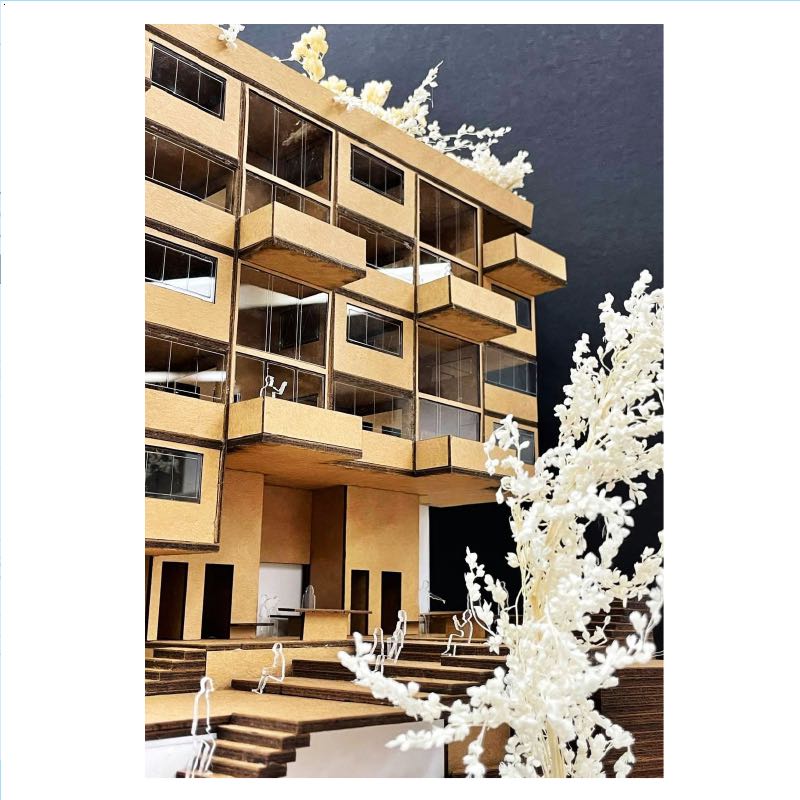
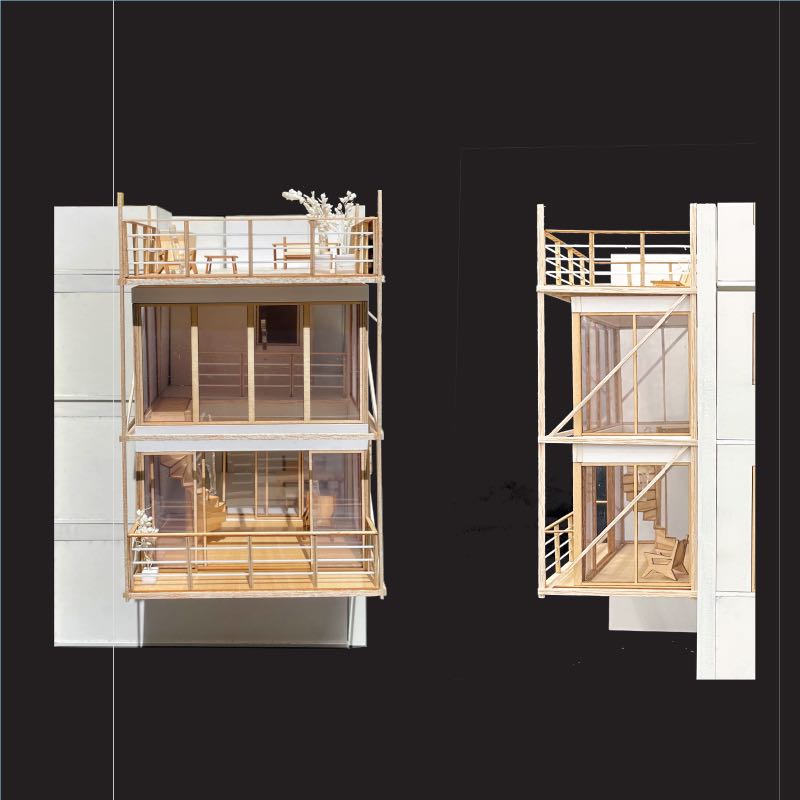
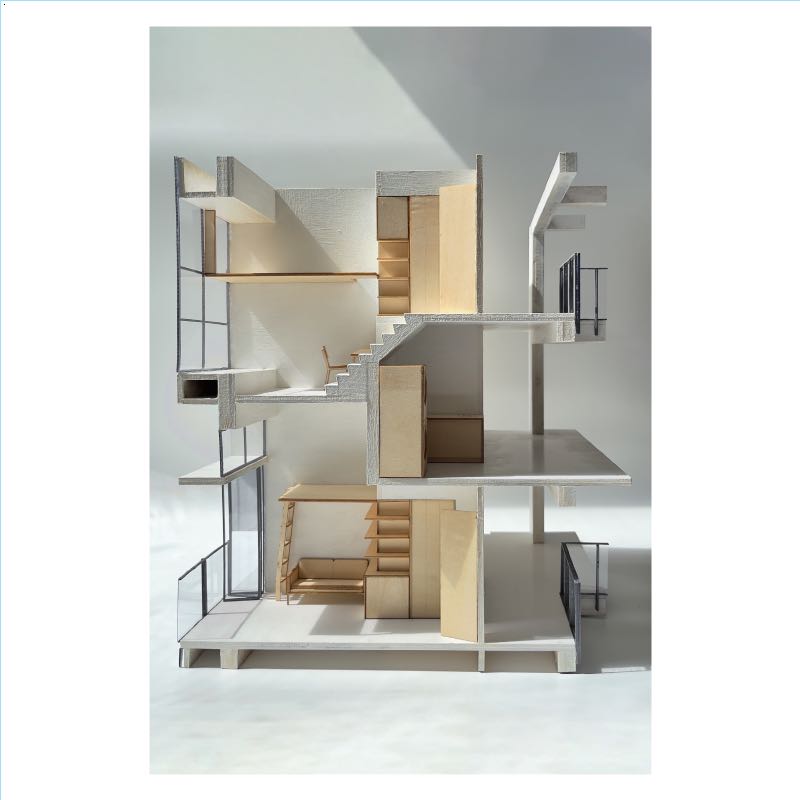
The Habitational Seeds program is based on the idea of a transformed urbanism. An urbanism that we understand as a constant, and ongoing collective act of inscriptions. An urbanism that sets care and love before gain and quality before quantity. That sets life before a sterile idea of a technocratic governance of lives. An urbanism that, instead of relying on the still widespread paradigm that newer is better, builds on an architecture departing from built substance, embodied energy, and poetry at its core.
Habitational Seeds considers any environment, any site, as a field of potentials, a field of possibilities for new configurations. These potentialities and their physical embodiment constitute the ground that anchors and fertilizes any future cohabitation of life and life-forms in an assemblage of the living and the transformed, as continuous Nature-Culture (Bruno Latour) inhabited by human and nonhuman life.
Public space and infrastructures constitute commons. These commons hold embodied positive and negative values – they can be conceived as Positive and Negative Commons (Alexandre Monnin). As any inscription, they are always relational, amongst themselves and in regard to our planet. Yet it is not through negation or erasure, that we will transform our best and already beautiful – or our most polluted and dangerous – commons towards new values. To find other balances, beyond rupture and destruction, we must find new understanding in transient time and in our relation to place, to species – for instance in reconsidering with Frédérique Aït-Touati, Axelle Grégoire and Alexandra Arènes: Ground, Point de Vie, Landscapes of the Living, Borders, Space-Time, Re(sources) and Memories. The way we understand relational qualities in space and time and amongst the living, offers new views on trajectories for transformation.
As in any organism, entirely closed systems are bound to collapse or to be cancelled out in entropy. Life as the most unlikely improbability needs to be constantly re-invented by noetic acts of imagination, by Bifurcations (Bernard Stiegler) that set articulation against the entropic, standardized, hermetic world-order of capitalism. In order to move forward we need to tell new stories. And new histories. Because ‘it matters with what matters we think other matters with; it matters what stories we tell to tell other stories with; it matters what knots knot knots, what thoughts think thoughts, what descriptions describe descriptions, what ties tie ties. It matters what stories make worlds, and what worlds make stories.’ (Donna Haraway). Given the state of the world, we cannot denounce the world in view of an ideal world (Isabelle Stengers).
No-Li Section
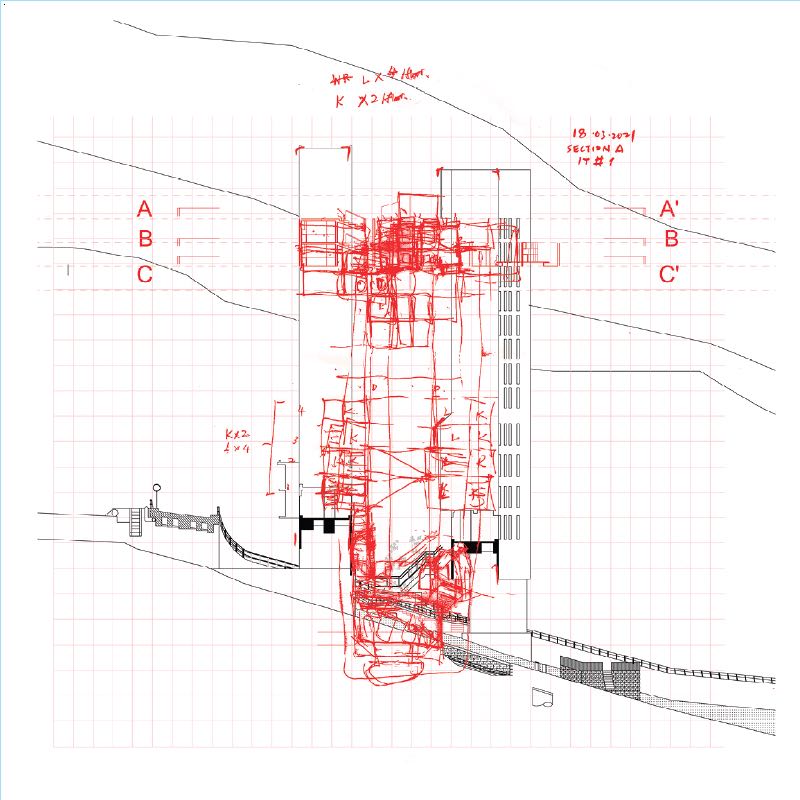
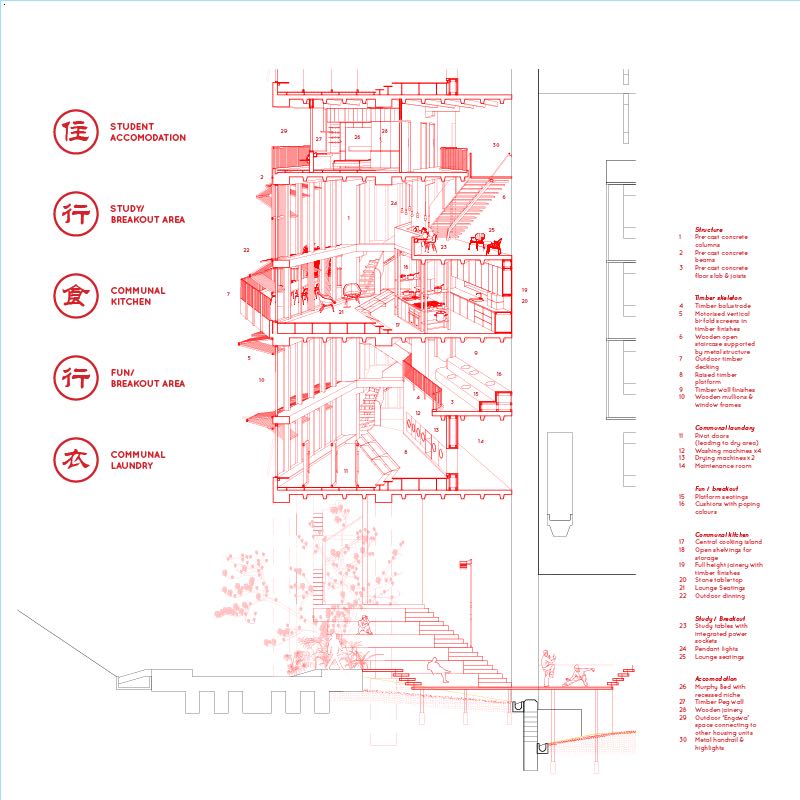
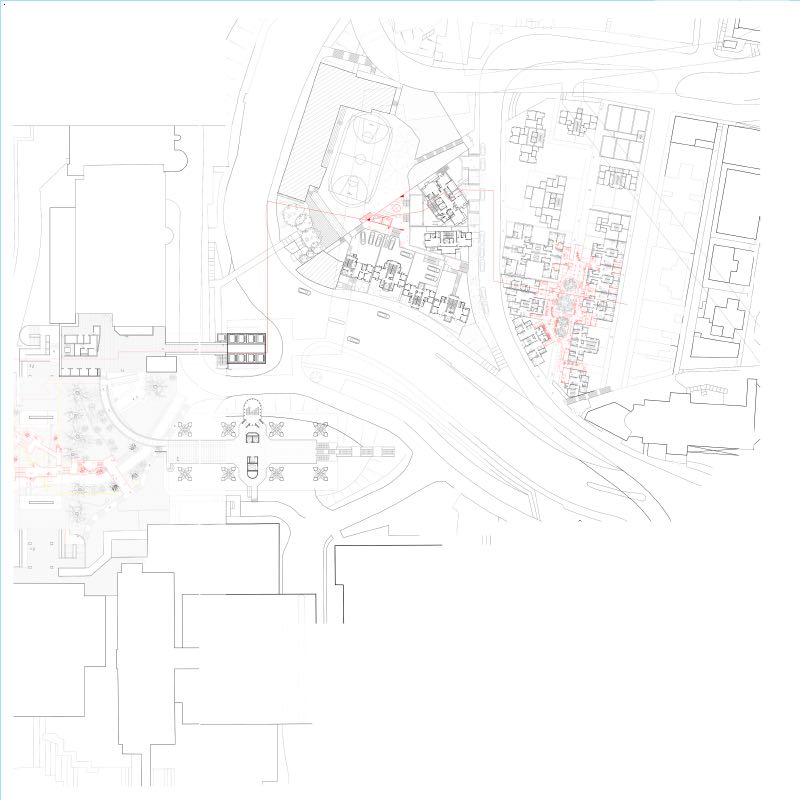
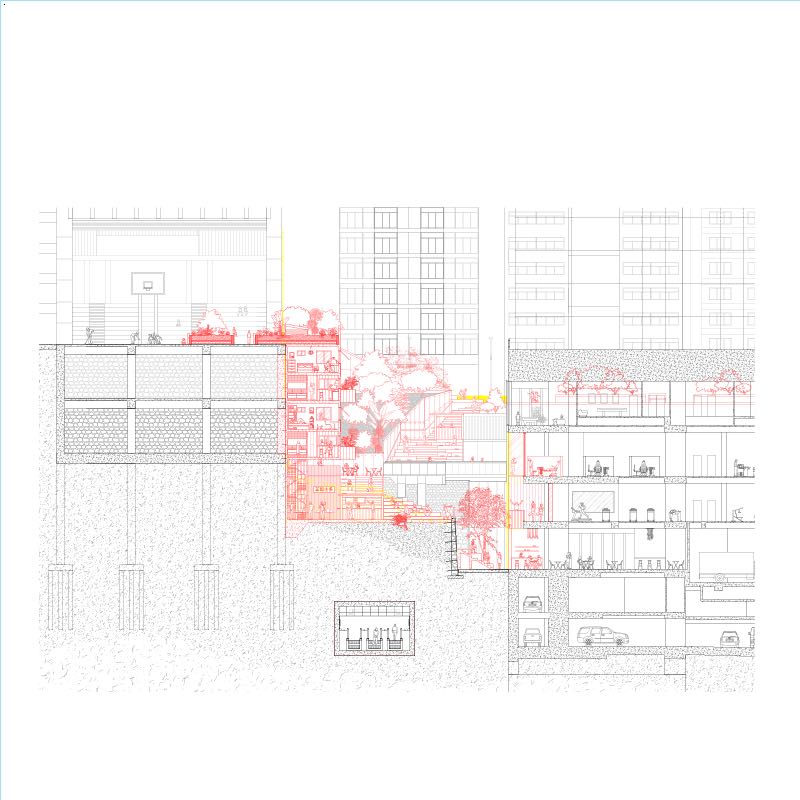
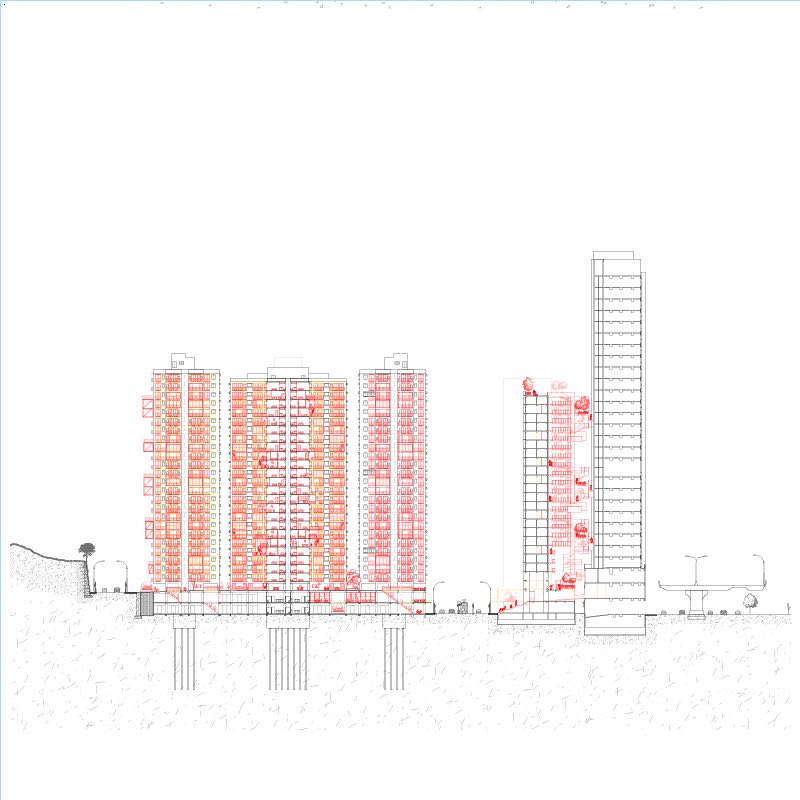
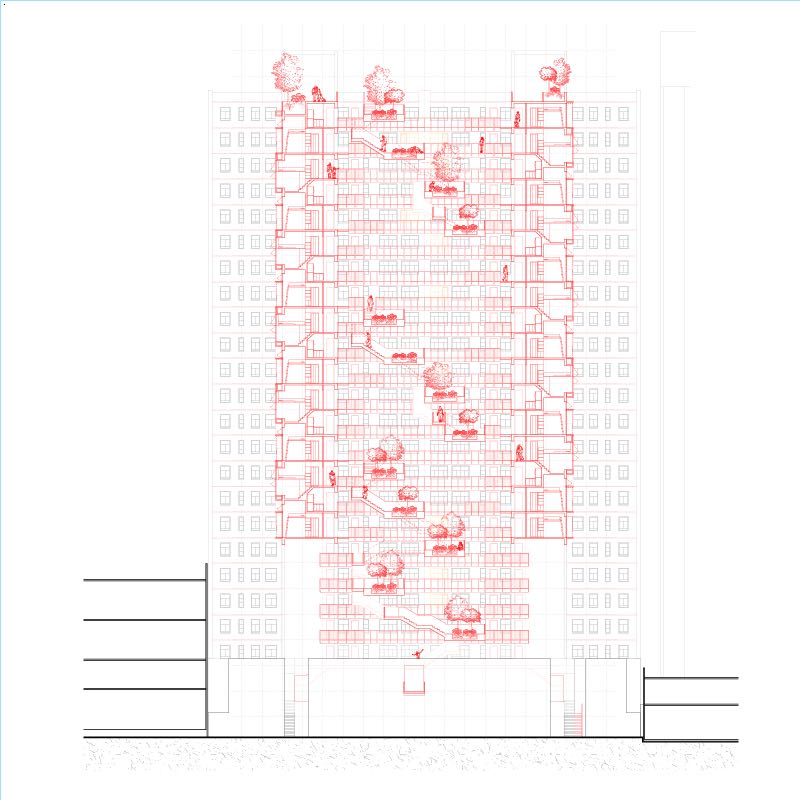
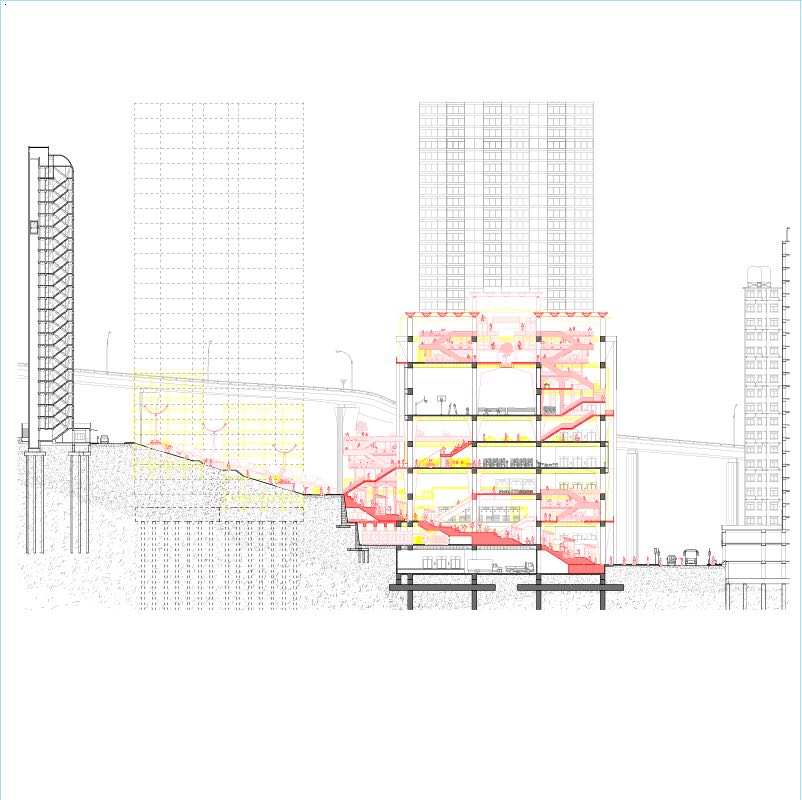
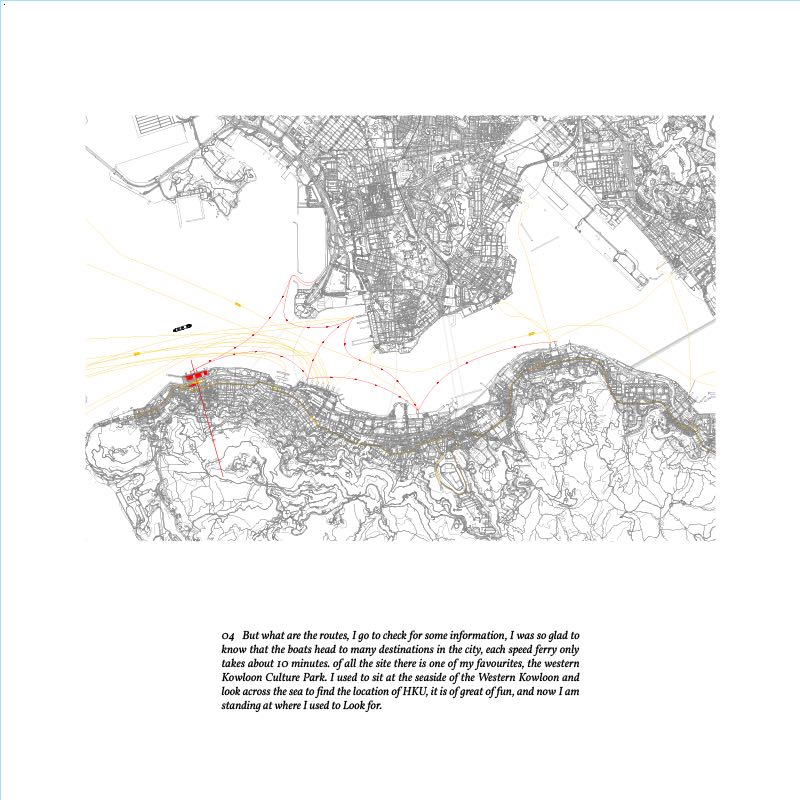
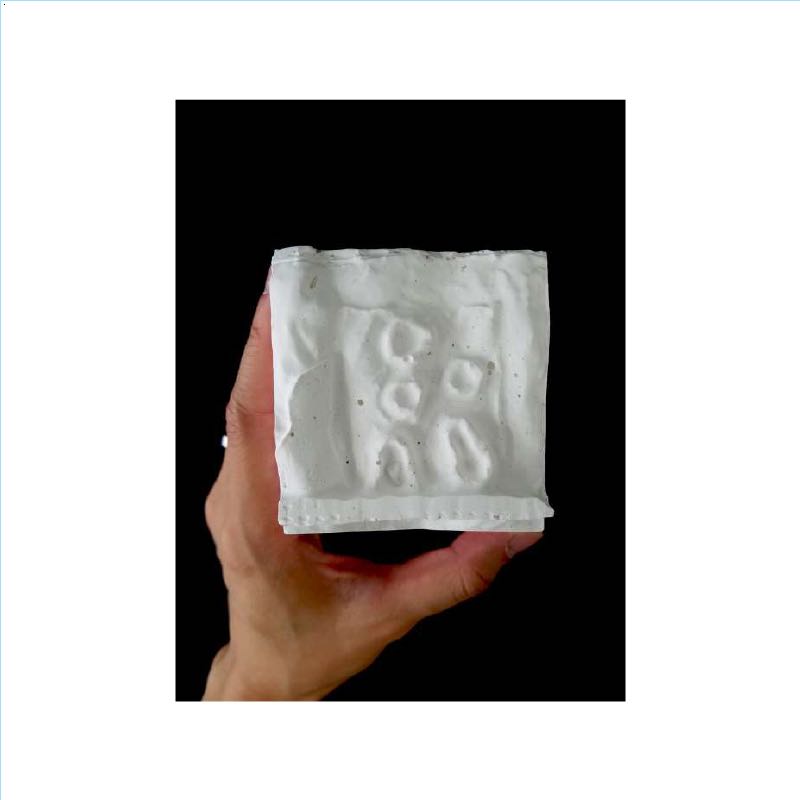
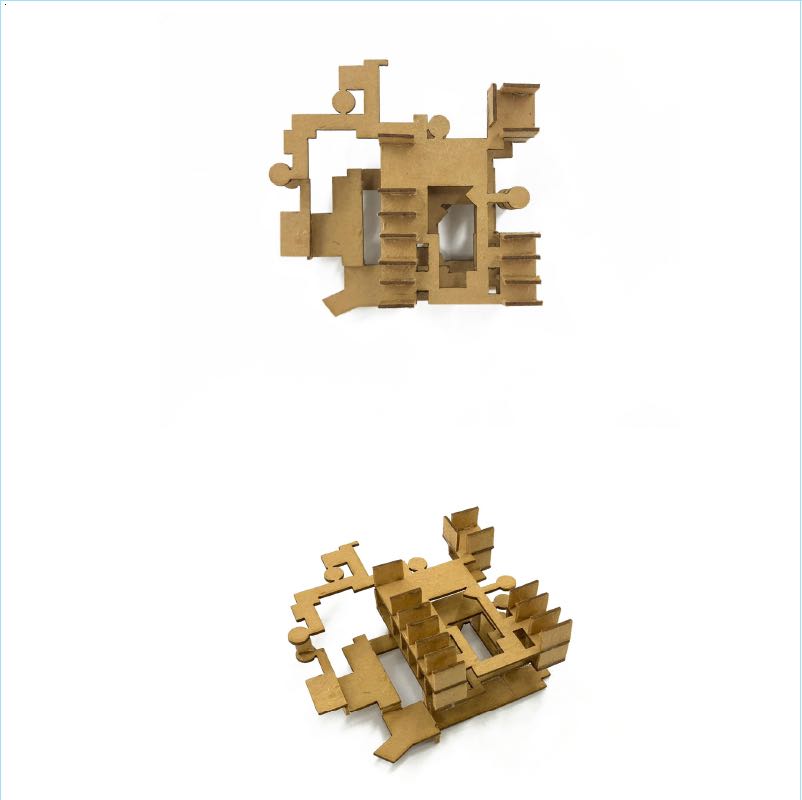
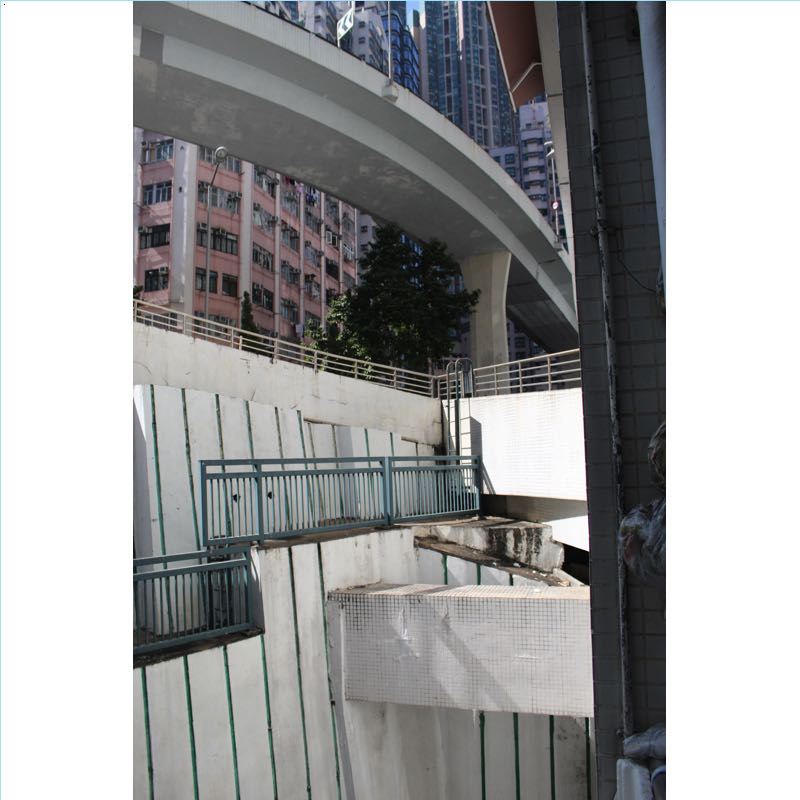
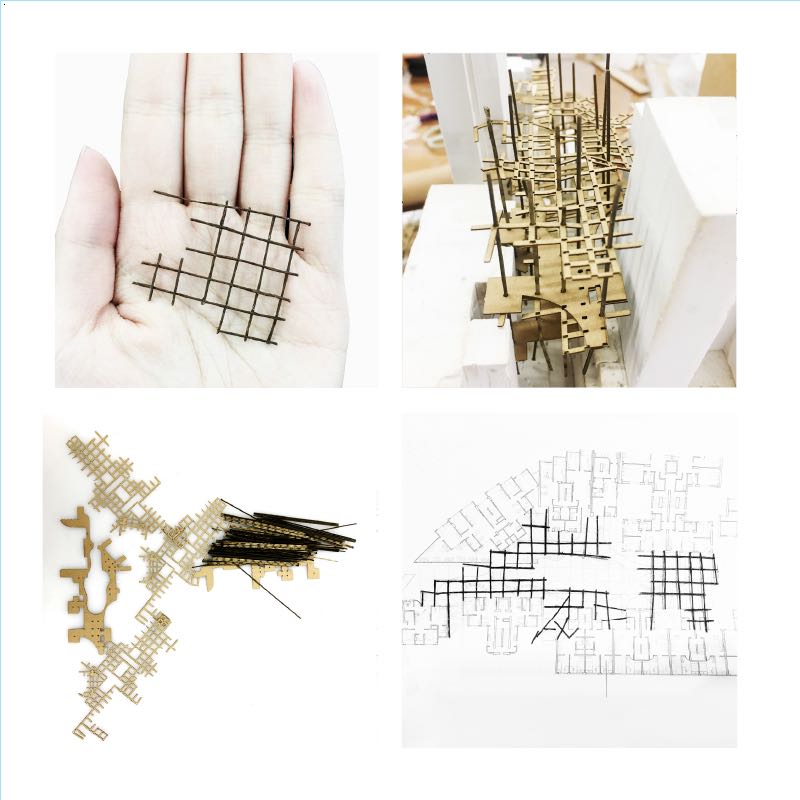
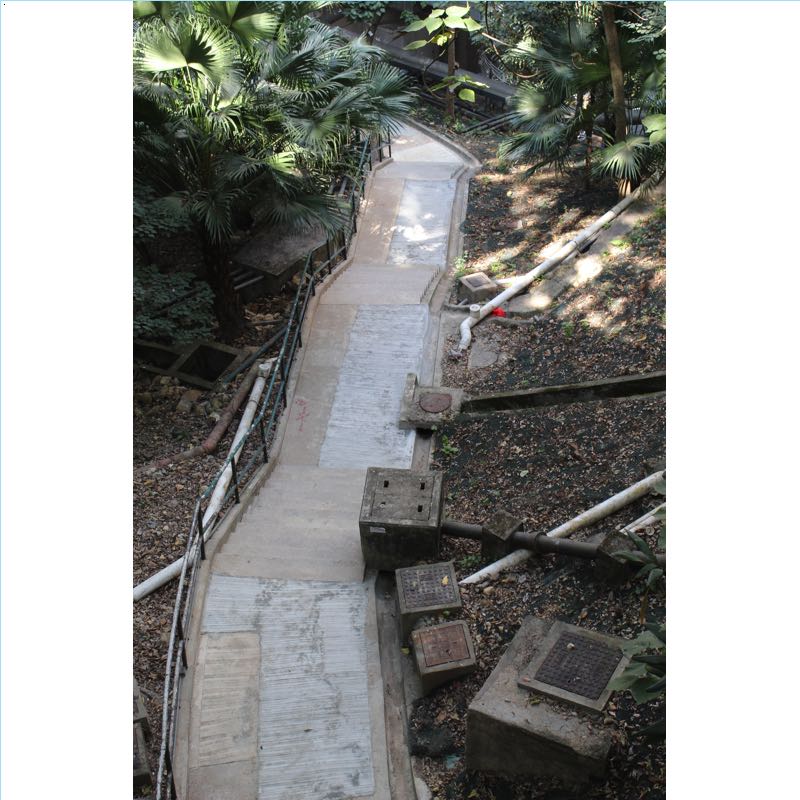
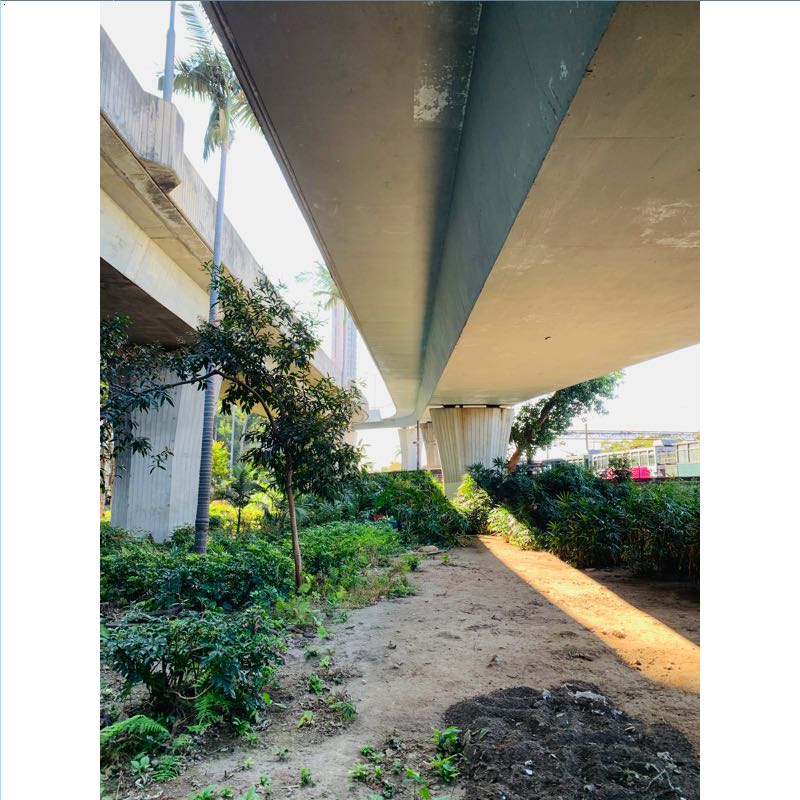
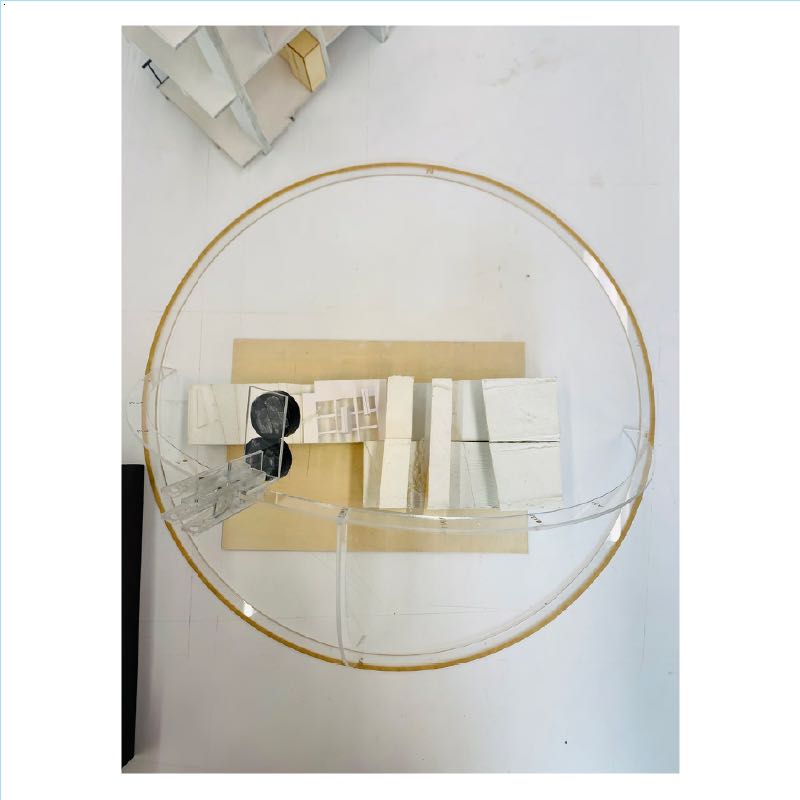
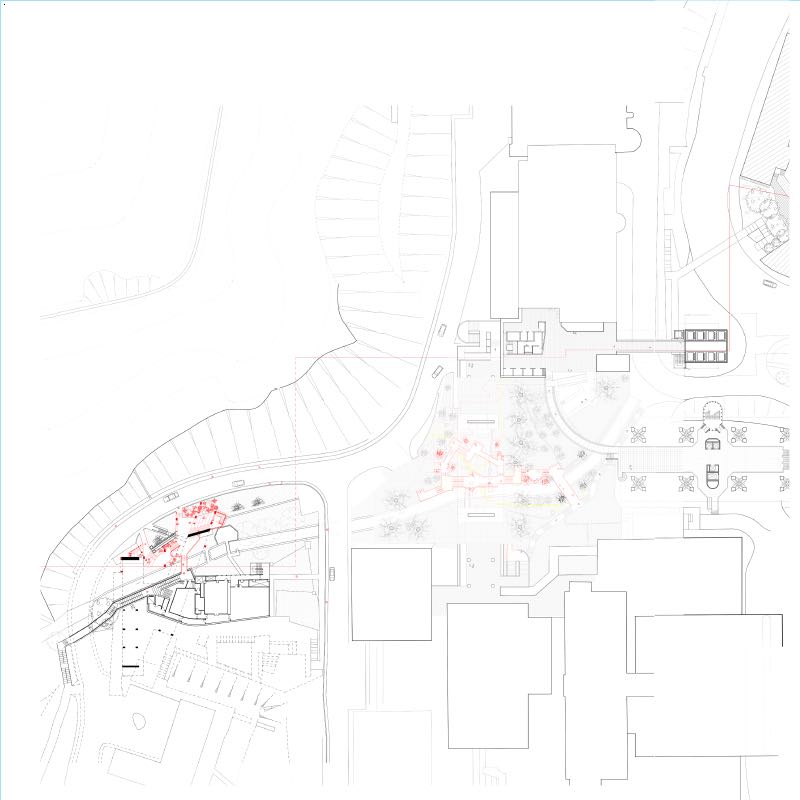
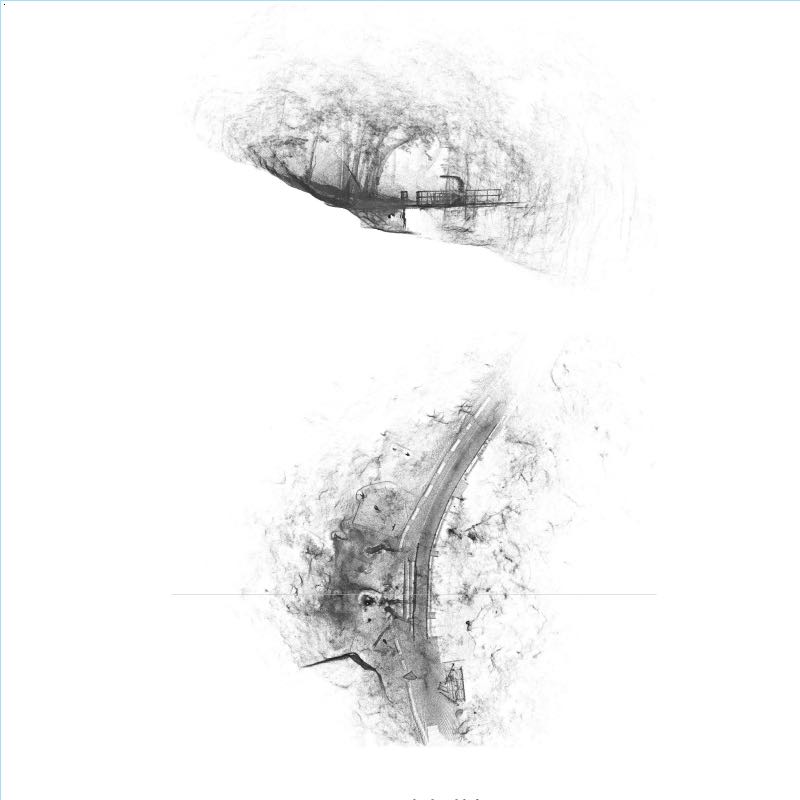
Habitational Seeds starts with topophilia, the love for a place. And with an initial, investigative act: A sectional cut through Hong Kong Island. A No-Li Section. A tomography with no limits towards the centre of the earth, or the skies. This forensic drawing will become our site, whereby each point will be conceived as a potential for expansion towards a small universe – always in relation to its own nature as an abstract hypothetical site as well as to its concrete position in Hong Kong. As a sectional palimpsest, this drawing will not only accumulate the time that we will invest in its construction, but also trace the thickness of time itself as it constitutes itself in geological formation; transiting our present towards unknown futures, while the city appears as a trace amongst many. Immersed in this section, we will start to identify, study and catalogue emerging residual Odd Lots (Gordon Matta-Clark) in and in immediate proximity of the sectional cut, forgotten or leftover spaces and places that can be reused, reimagined and have the potential to have their present condition socially and physically intensified.
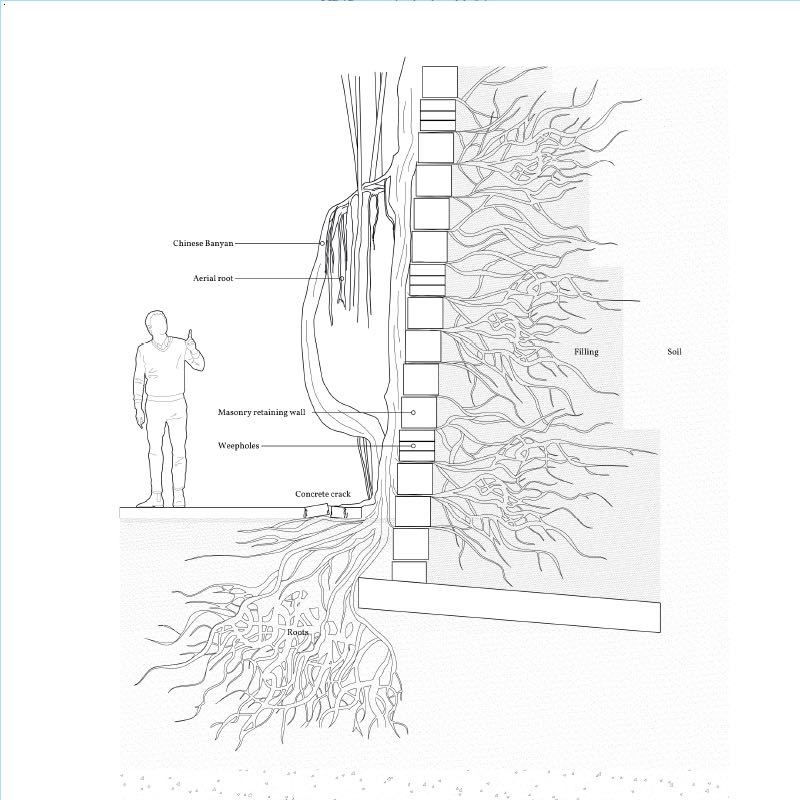
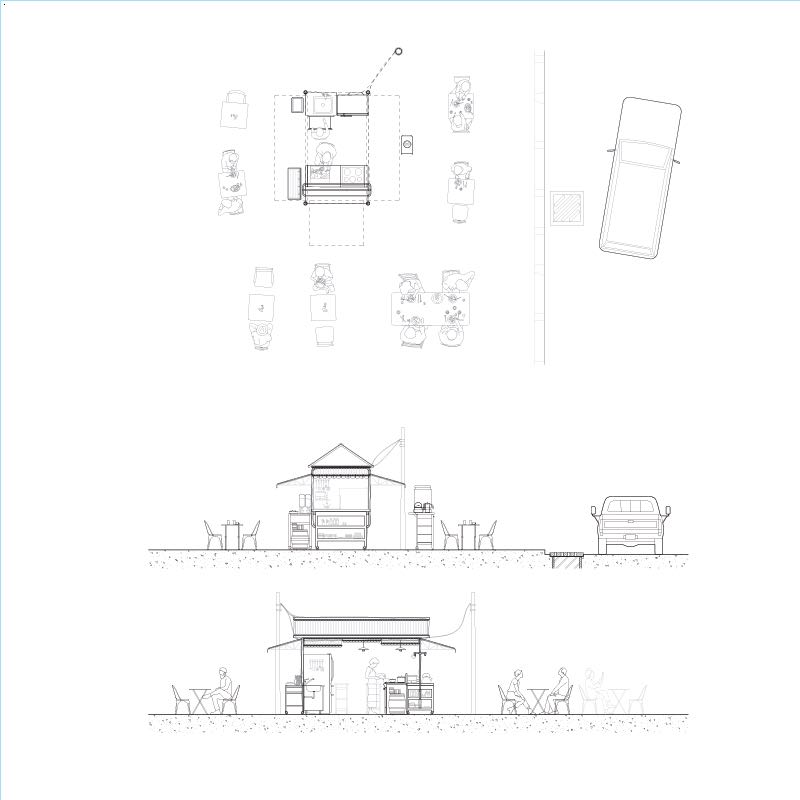
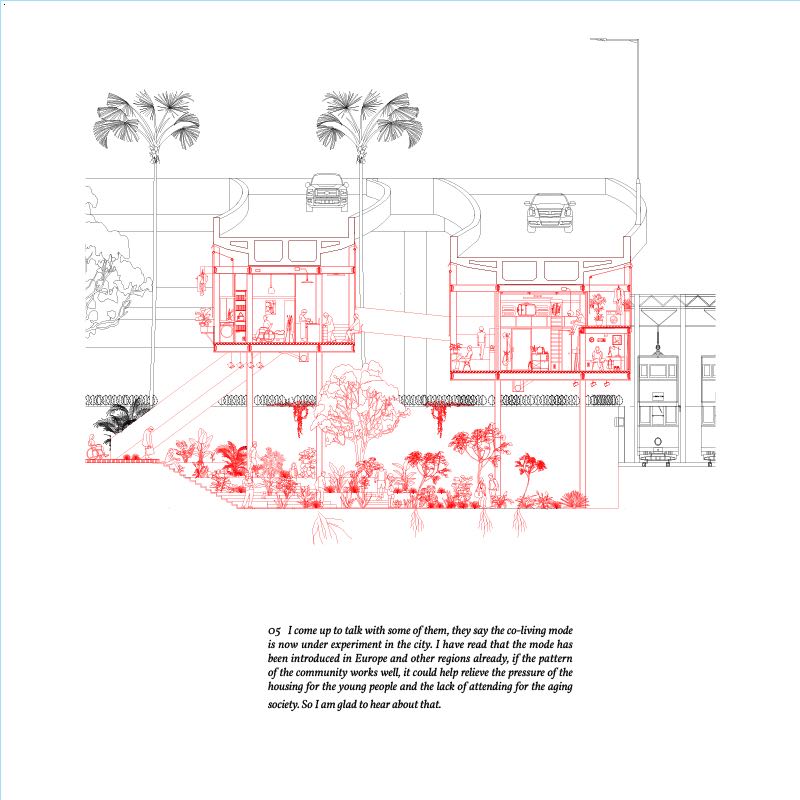
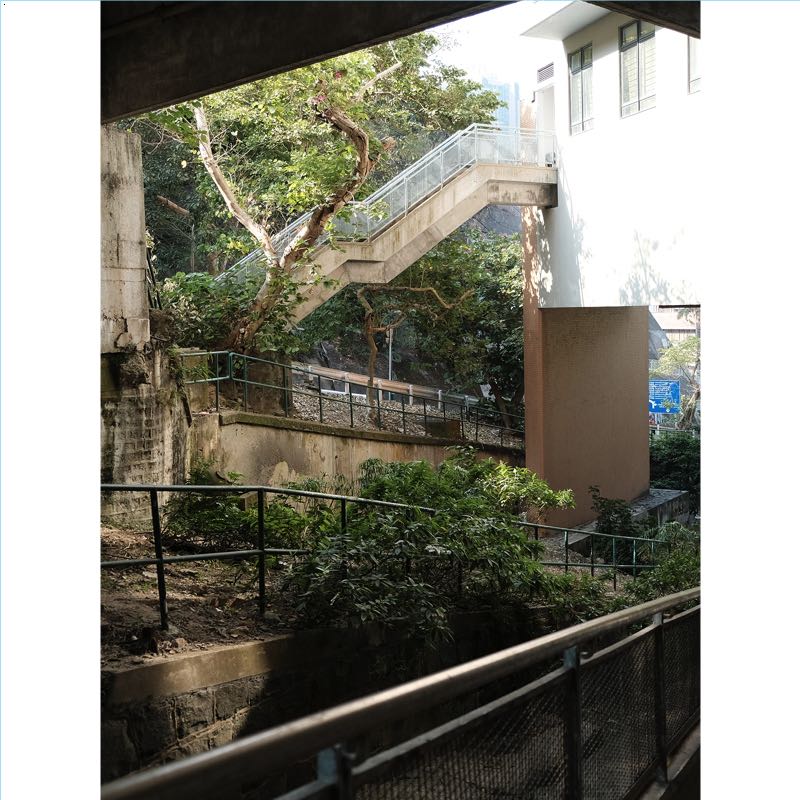
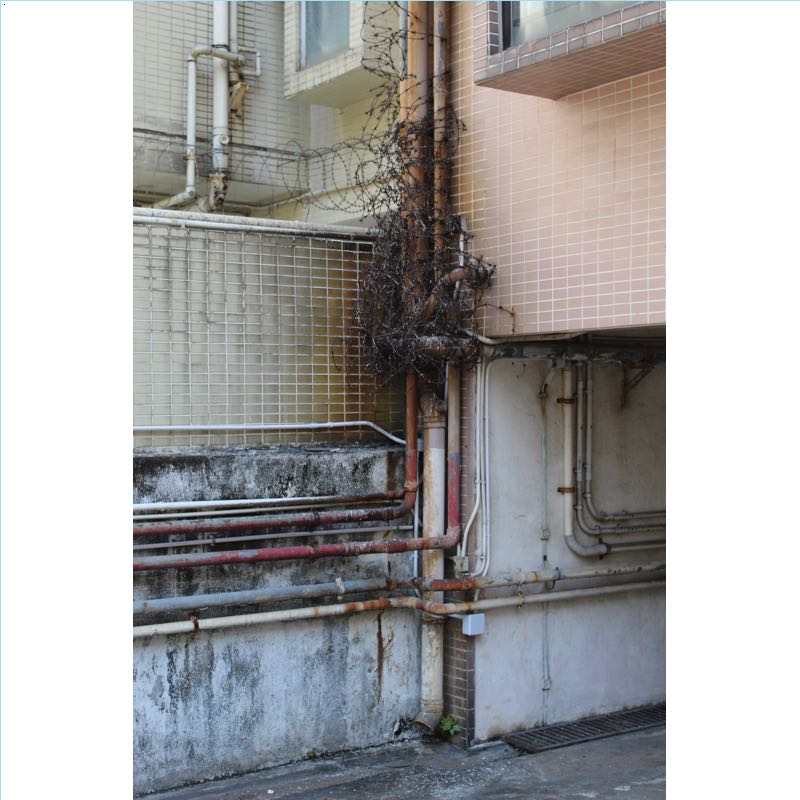
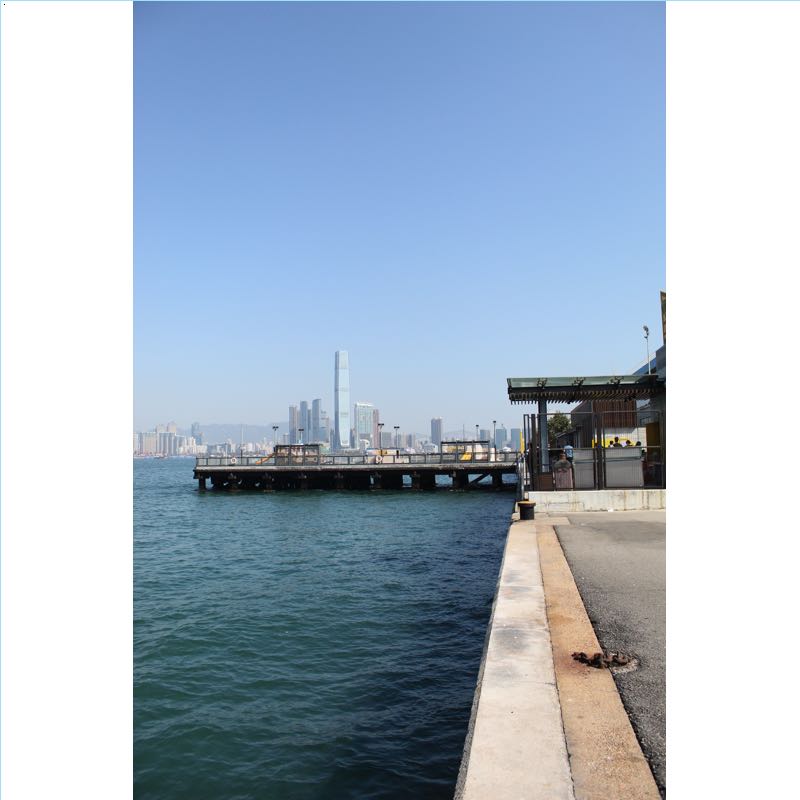
Cohabitation is at the centre of everything we see, between the humans in this city, but also the non-human population: Banyan Trees growing out of seemingly uninhabitable walls neighbouring alleyways with washing lines. One of the world's most densely inhabited cities next to a forest and the sea, places we think we can transform into something else, something more. Places out of which we can grow seeds of a new form of complementary, contributive Urbanism.
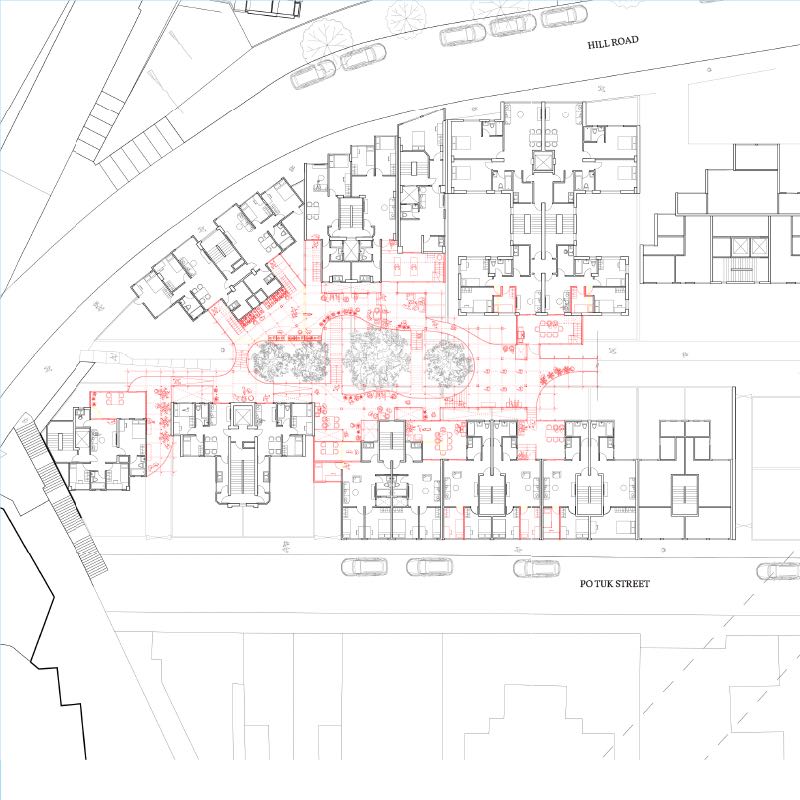
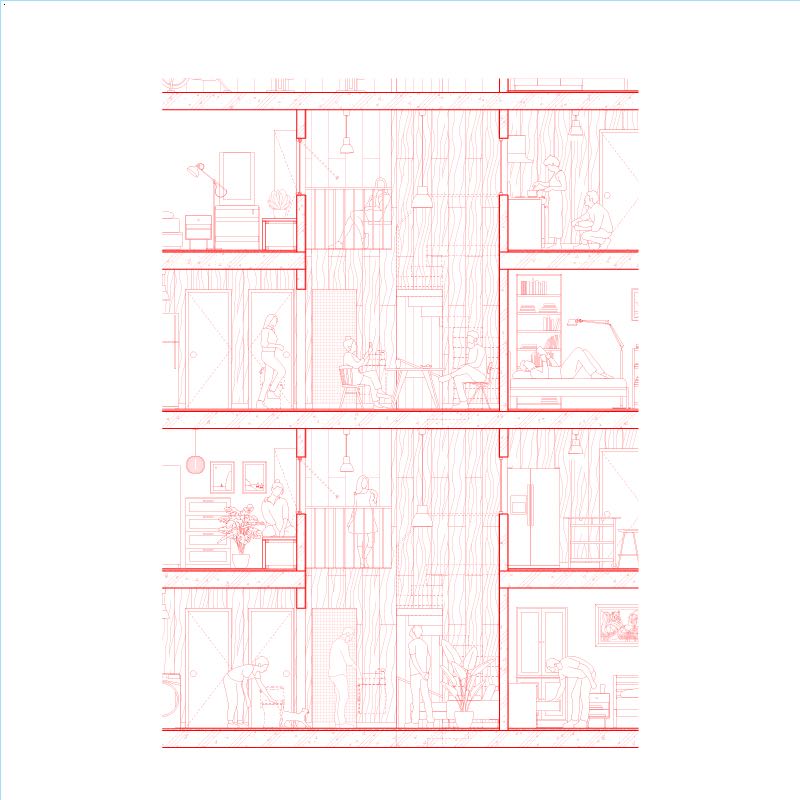
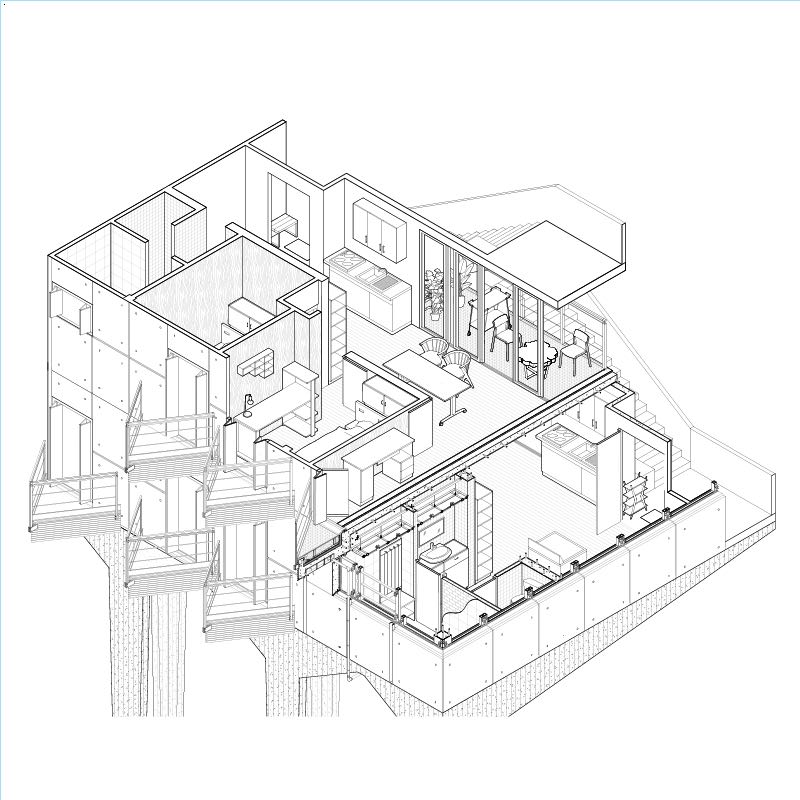
Every act in planting these Habitational Seeds we believe to be an environmental and social action, towards the goal of a better quality of life for all of the living things we found. For this we weave together different aspects of lived space and time, to create a porosity and continuity that permeates and thereby intensifies the places we touch: So that these seeds, at first perhaps softly and timidly, but steadily, start to change how the city could be seen and lived.
When in doubt, take a walk
‘When in doubt, take a walk’ (Sampson Wong). We are in a city in a crisis. Some of us aren’t even physically there. How do we go on from here? We started by taking Sampson Wong’s advice and we took a walk; starting from a familiar location, and not for a great distance. And we looked around us.
We deeply thank everyone involved in this adventure, the students, our teaching assistant Kent Mundle, and HKU and its faculty, with care and tenderness.
Alexa and Dieter